

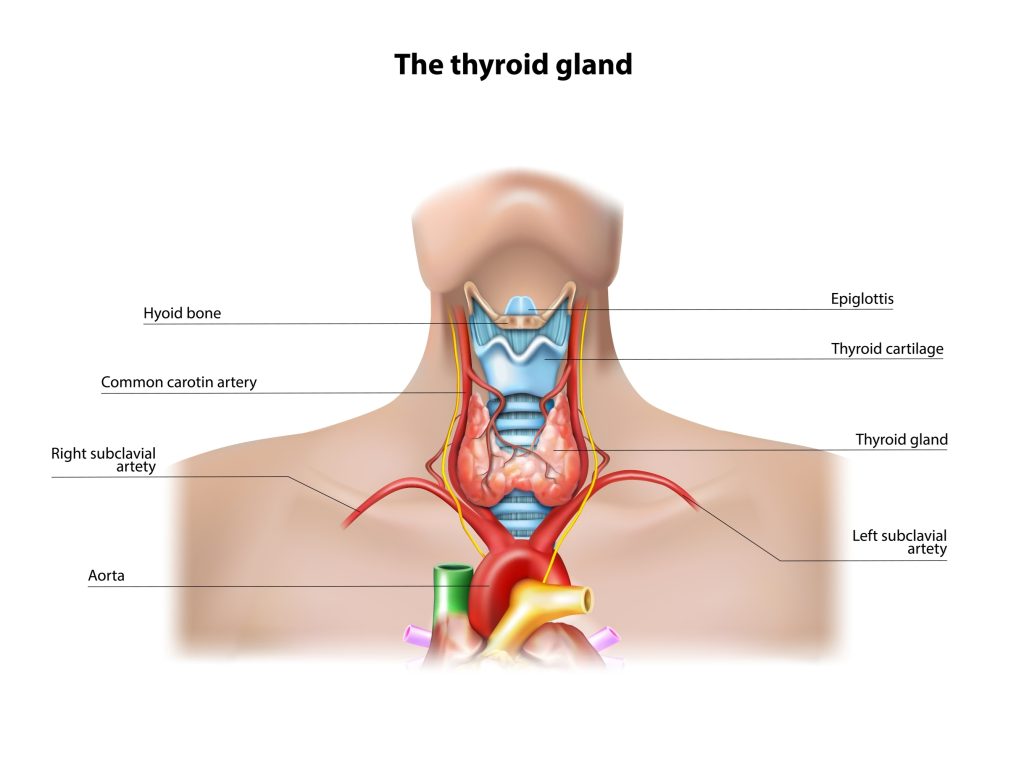
You have probably heard the word thyroid mentioned in conversations about energy, weight, or hormones — but what does your thyroid actually do? This small butterfly-shaped gland sitting at the base of your neck plays a surprisingly enormous role in how your body functions every single day.
From regulating your heartbeat to influencing your mood, the thyroid is one of the most important glands in the human body. Understanding what the thyroid does and recognizing when something might be wrong can make a real difference in your long-term health.
In this article, Chi Rho Chiropractic will explore the intricacies of the thyroid and what it does, shedding light on its importance, common disorders, and practical steps for supporting thyroid health.
What Is the Thyroid Gland?
The thyroid is a butterfly-shaped endocrine gland located around the front of the windpipe, producing hormones that affect nearly every organ and tissue. It weighs 20–30 grams in adults and operates within a feedback loop with the brain’s hypothalamus and pituitary gland.
When thyroid hormone levels drop, the pituitary releases TSH to stimulate hormone production, and when levels rise, TSH production slows, maintaining the body’s balance unless disrupted.
The Hormones Your Thyroid Produces
What your thyroid does is produce two primary hormones: thyroxine (T4) and triiodothyronine (T3). T4 is produced in larger quantities and acts as a precursor — most of it is converted into the more active T3 in your liver, kidneys, and other tissues. T3 is the hormone that directly interacts with your cells to regulate metabolism and energy use.
The thyroid also produces calcitonin, a hormone that plays a role in calcium regulation and bone metabolism. While calcitonin is less dominant than T3 and T4, it is still an important piece of the overall hormonal picture.
What Does Your Thyroid Do for Your Body?
At Chi Rho Chiropractic, our experienced team is committed to guiding you toward balanced thyroid function and overall wellness through personalized, holistic care. We strive to help you restore energy, enhance your mood, and regain control of your life. Don’t let thyroid challenges hold you back — begin your journey to a healthier, more vibrant you today.
Metabolism and Weight Management: The thyroid controls metabolic rate — the speed at which the body converts food into energy.
o Hypothyroidism slows metabolism, causing weight gain, fatigue, and sluggishness.
o Hyperthyroidism speeds metabolism, leading to weight loss, rapid heartbeat, and anxiety.
Heart and Cardiovascular Health: Thyroid hormones regulate heart rate and contraction strength.
o Hypothyroidism can slow heart rate and raise cholesterol, increasing heart disease risk.
o Hyperthyroidism may cause palpitations, high blood pressure, and irregular heartbeat (atrial fibrillation), raising stroke risk.
Energy Levels and Body Temperature: Thyroid hormones regulate heat production and mitochondrial energy function.
o Hypothyroidism often causes a feeling of cold and persistent fatigue.
o Hyperthyroidism may cause excessive warmth, sweating, and restlessness.
Brain Function, Mood, and Mental Health: Thyroid hormones are vital for brain development and cognitive function.
o Hypothyroidism can lead to depression, brain fog, poor concentration, and memory issues.
o Hyperthyroidism is linked to anxiety, irritability, and sleep problems.
Digestive Health: Thyroid hormones influence gut motility.
o Hypothyroidism often causes constipation and bloating.
o Hyperthyroidism can cause diarrhea or frequent bowel movements.
Reproductive and Hormonal Health: Thyroid function affects reproductive hormones and fertility.
o In women, thyroid issues can cause menstrual irregularities, fertility problems, and pregnancy complications.
o In men, thyroid imbalances can affect testosterone and sperm quality.
Hair, Skin, and Nails: Thyroid hormones regulate hair growth and skin cell regeneration.
o Hypothyroidism may cause dry skin, brittle nails, and hair thinning (especially eyebrows).
o Hyperthyroidism can lead to warm, moist skin and fine, easily lost hair.
The thyroid’s influence is broad, impacting many essential bodily functions and overall health.
Common Thyroid Conditions to Be Aware Of
Thyroid disorders are among the most common endocrine conditions worldwide, affecting an estimated 20 million Americans, and up to 60% of those with thyroid disease are unaware of their condition. Some of the most frequently diagnosed thyroid conditions include:
- Hypothyroidism: An underactive thyroid that does not produce enough hormones, causing fatigue, weight gain, and depression.
- Hyperthyroidism: An overactive thyroid that produces too many hormones, leading to weight loss, anxiety, and heart palpitations.
- Hashimoto’s Thyroiditis: An autoimmune condition in which the immune system attacks the thyroid, often causing hypothyroidism over time.
- Graves’ Disease: An autoimmune disorder that overstimulates the thyroid, resulting in hyperthyroidism.
- Thyroid Nodules: Lumps in the thyroid that are usually benign but occasionally require evaluation for cancer.
- Thyroid Cancer: A relatively uncommon but highly treatable cancer when detected early.
Signs You May Have a Thyroid Problem
Because the thyroid does affect so many systems in the body, its symptoms can be easy to dismiss or misattribute to stress, aging, or lifestyle factors.
Dr. Terry Harmon highlights that common warning signs that warrant a thyroid evaluation include unexplained weight changes, persistent fatigue unrelieved by rest, hair thinning or loss, sensitivity to temperature, heart palpitations, depression or anxiety, brain fog or memory issues, muscle weakness or joint pain, irregular menstrual cycles, and a swelling or lump in the neck. A simple blood test measuring TSH, T3, and T4 levels is typically the first step in diagnosing a thyroid condition.
Treatment Options for Thyroid Issues
Medications:
o Hypothyroidism is treated with synthetic hormones such as levothyroxine.
o Hyperthyroidism is managed with drugs such as methimazole to reduce hormone production.
Radioactive Iodine and Surgery: Radioactive iodine helps reduce hormone production for persistent hyperthyroidism. Surgery may be necessary for severe cases or nodules.
Lifestyle Changes and Natural Remedies: A balanced diet rich in selenium, zinc, and iodine supports thyroid health. Stress reduction, yoga, and herbs such as ashwagandha can be helpful but require medical advice.
Importance of Thyroid Health in Overall Well-Being
- Mental Health: Thyroid balance affects mood, cognitive function, anxiety, and depression.
- Cardiovascular Health: Proper thyroid function supports heart rate and cholesterol regulation.
- Reproductive Health: This influences menstrual cycles, fertility, and pregnancy outcomes.
Lifestyle Factors Affecting Thyroid Function
- Nutrition: Whole foods support thyroid health; cooked cruciferous vegetables reduce goitrogens.
- Exercise: Regular physical activity boosts metabolism and hormone regulation.
- Stress Management: Reducing stress helps maintain healthy thyroid hormone levels.
Maintaining thyroid health through proper diagnosis, treatment, and lifestyle choices is essential for overall wellness.
Ready to Take Control of Your Thyroid Health?
So, what does your thyroid do? In short, it plays a vital role in your overall health. This small gland regulates your metabolism, supports heart function, boosts energy, stabilizes mood, nurtures reproductive health, and keeps many body processes running smoothly. When your thyroid is out of balance, it can affect nearly every aspect of your well-being.
The good news is that thyroid conditions are highly manageable with proper care. Early detection and treatment can restore your energy, help control your weight, improve your mood, and greatly enhance your quality of life. The key is to recognize the signs and seek evaluation from a qualified healthcare provider who understands thyroid health.
Don’t ignore symptoms such as unexplained fatigue, weight changes, or mood shifts. When your thyroid doesn’t do what it should, our thyroid specialists are here to help you find answers and regain your well-being. Contact us today to schedule your thyroid evaluation.