

When it comes to the body’s internal control systems, few structures are as important — or as commonly confused — as the thymus and the thyroid. Both are glands. Both sound alike. Yet when you examine the thymus vs. thyroid, you quickly discover they are remarkably different in location, function, and the conditions they are associated with. Understanding the distinction between these two glands is not just academic trivia; it can help patients, caregivers, and health-conscious individuals better navigate symptoms, diagnoses, and treatment plans.
This comprehensive article with Chi Rho Chiropractic breaks down everything you need to know about the thymus vs. the thyroid — from anatomy and physiology to common disorders and when to seek medical attention.
What Is the Thyroid Gland?
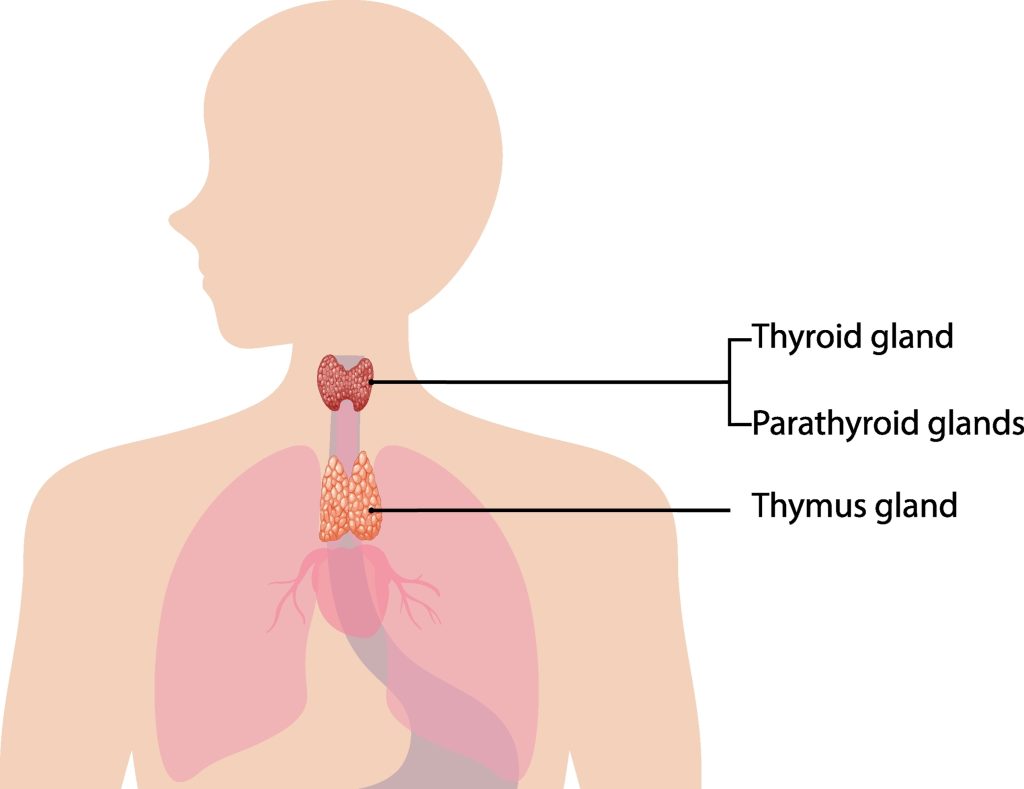
The thyroid is a butterfly-shaped gland located at the front of the neck. It is part of the endocrine system and is one of the most well-known glands in the human body, largely because thyroid disorders affect hundreds of millions of people worldwide.
The thyroid’s primary role is to produce hormones — specifically thyroxine (T4) and triiodothyronine (T3) — that regulate metabolism, energy levels, body temperature, heart rate, and growth. These hormones influence virtually every cell in the body, making the thyroid a master regulator of overall physiological function.
Key functions of the thyroid include:
- Regulating basal metabolic rate (how quickly your body burns calories)
- Supporting cardiovascular function and heart rhythm
- Controlling body temperature homeostasis
- Facilitating protein synthesis and vitamin metabolism
- Supporting brain development in infants and children
What Is the Thymus Gland?
The thymus, as opposed to the thyroid, is a specialized lymphoid organ located in the upper chest, behind the sternum (breastbone) and between the lungs, in a region called the mediastinum. Unlike the thyroid, which remains active throughout life, the thymus is most prominent and functionally critical during childhood and early adolescence.
The thymus is a cornerstone of the immune system. Its primary function is to produce and mature T-lymphocytes, commonly known as T-cells, which are white blood cells central to immune surveillance and defense against pathogens, cancers, and foreign substances. After puberty, the thymus gradually shrinks — a process called thymic involution — and is partially replaced by fatty tissue, though it never fully disappears.
Key functions of the thymus include:
- Producing and maturing naive T-cells for immune defense
- Training T-cells to distinguish self from non-self (immune tolerance)
- Producing thymosin hormones that support immune function
- Playing a critical role in protecting against autoimmune diseases
- Supporting the adaptive immune response
Thymus vs. Thyroid: A Side-by-Side Comparison
To clearly understand the thymus vs. thyroid distinction, it helps to compare them across the most important dimensions:
Location
The thyroid sits visibly in the neck, making it accessible for physical examination and palpation by a clinician. The thymus, in contrast, is deep inside the chest, hidden behind the breastbone, and cannot be felt from the outside. This means thymus disorders are typically identified through imaging studies such as CT scans or MRIs.
System of the Body
The thyroid belongs to the endocrine system — the network of glands that produce and secrete hormones directly into the bloodstream. The thymus is part of the lymphatic and immune systems, focusing on cellular immunity rather than hormonal signaling.
Activity Over a Lifetime
The thyroid is active from birth to death, continuously producing hormones. Thyroid function may fluctuate with age, disease, or medication, but the gland itself remains structurally present and functional. The thymus, however, peaks in activity before puberty and begins to shrink thereafter, though it continues to produce small numbers of T-cells throughout adulthood.
Common Thyroid Disorders
Given its central role in metabolism, the thyroid is susceptible to a wide range of conditions. The most common include:
- Hypothyroidism: Underproduction of thyroid hormones, leading to fatigue, weight gain, cold sensitivity, and depression
- Hyperthyroidism: Overproduction of hormones, causing weight loss, rapid heartbeat, anxiety, and heat intolerance
- Hashimoto’s Thyroiditis: An autoimmune condition in which the immune system attacks the thyroid, commonly causing hypothyroidism
- Graves’ Disease: An autoimmune disorder resulting in hyperthyroidism and, in some cases, eye changes
- Thyroid Nodules and Cancer: Abnormal growths on the thyroid that may be benign or malignant, typically detected via ultrasound
Common Thymus Disorders
Although less frequently discussed, thymus disorders can be serious. Key conditions include:
- Thymoma: A tumor of the thymic epithelial cells that, although often slow-growing, is associated with autoimmune conditions such as myasthenia gravis
- Thymic Carcinoma: A more aggressive form of thymic cancer that spreads beyond the gland
- Myasthenia Gravis: An autoimmune neuromuscular disorder frequently associated with thymic abnormalities, in which removal of the thymus (thymectomy) can improve symptoms
- DiGeorge Syndrome: A congenital condition in which the thymus is underdeveloped or absent, leading to severe immune deficiency from birth
- Thymic Hyperplasia: Enlargement of the thymus, which can occur in response to certain conditions, including Graves’ disease, creating an interesting link between the thyroid and thymus
Can the Thymus and Thyroid Affect Each Other?
One of the most fascinating aspects of the thymus vs. thyroid conversation is that these two glands are not entirely independent. Research has demonstrated connections between thyroid hormones and thymic function. Thyroid hormones appear to influence the growth and activity of the thymus, and autoimmune conditions — such as Graves’ disease or Hashimoto’s thyroiditis — can sometimes be associated with thymic abnormalities.
This interplay underscores the importance of treating the body as an interconnected system rather than a collection of isolated organs. A healthcare provider evaluating one gland may need to consider the status of the other, particularly in cases involving autoimmunity.
Conclusion: Understanding the Critical Roles of the Thyroid and Thymus
While the distinction between the thymus and thyroid may seem like a simple matter of names, it reveals a deeper understanding of the body’s complex systems. The thyroid regulates metabolism and energy levels through hormone production, while the thymus plays a vital role in developing and training the immune system. Both glands are essential, and disorders affecting either can profoundly impact your health and quality of life.
Recognizing the differences between these glands helps you identify symptoms early, ask informed questions during medical visits, and make empowered decisions about your health care. Whether you’re experiencing unexplained fatigue, immune challenges, or a diagnosis related to the thyroid or thymus, knowledge is your strongest ally.
If you have concerns about your thyroid or thymus — such as unexplained weight changes, persistent fatigue, immune system issues, or abnormal test results — our experienced specialists are here to support you. We provide comprehensive evaluations, personalized treatment plans, and compassionate care tailored to your unique needs. Contact us today to schedule your consultation and receive the answers and care you deserve.
Watch Dr. Matt’s Thyroid Presentation.
Click the button below to get access to Dr. Matt’s eye-opening webinar. He covers everything you need to know about thyroid health and uncovering the reason why you’re struggling with chronic symptoms.
GET THE GUIDE