

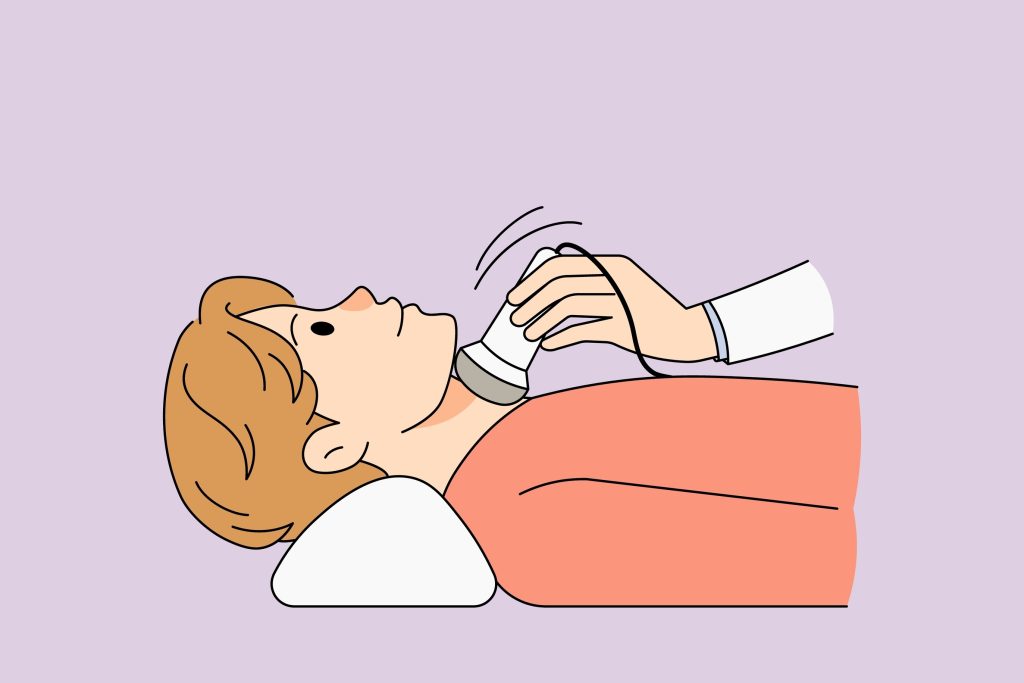
The thyroid gland, a small butterfly-shaped organ located in the front of the neck, plays a crucial role in regulating numerous bodily functions, including metabolism, energy levels, and mood. When this gland becomes overactive or underactive, it can lead to a variety of symptoms that may significantly impact your quality of life. Understanding the signs and symptoms of thyroid dysfunction is essential for early detection and treatment.
In this article, Chi Rho Chiropractic will explore the common indicators of the thyroid being off, differentiate between hypothyroidism and hyperthyroidism, discuss when it’s necessary to seek medical advice, and outline effective management strategies to maintain optimal thyroid health.
Why Thyroid Problems Are Easy to Miss
Thyroid disorders are common, especially among women and people over 60, yet many cases go undiagnosed for months or even years. That’s because symptoms tend to develop gradually and overlap with everyday complaints such as fatigue, weight changes, or feeling “off.” Many people chalk these signs up to lifestyle factors rather than a hormonal imbalance.
Recognizing the pattern of symptoms of your thyroid being off, rather than any single complaint on its own, is often the key to identifying a thyroid issue early.
Signs Your Thyroid May Be Underactive (Hypothyroidism)
Hypothyroidism is the more common of the two conditions, particularly in women over the age of 40. The most frequently reported symptoms of the thyroid being off due to hypothyroidism include:
Persistent Fatigue and Low Energy
One of the earliest and most universal signs of an underactive thyroid is a bone-deep exhaustion that sleep does not seem to fix. If you are consistently waking up tired despite a full night’s rest, your thyroid hormones may not be adequately fueling your cells.
Unexplained Weight Gain
When thyroid hormone levels drop, the metabolism slows significantly. This can lead to gradual weight gain even without changes in diet or exercise. Many patients report gaining 10 to 20 pounds over several months without a clear explanation.
Feeling Cold All the Time
Thyroid hormones help regulate body temperature. When levels are low, you may feel cold in environments where others are perfectly comfortable — cold hands, cold feet, and a persistent chill that never quite goes away.
Hair Loss and Dry Skin
Hypothyroidism can cause hair to become dry, brittle, and prone to falling out — including the outer third of the eyebrows, which is a distinctive clinical sign. Skin may also become dry, rough, and pale, and nails can become fragile.
Depression and Cognitive Fog
Low thyroid hormones are closely linked to mood changes, including depression, emotional flatness, and difficulty concentrating. Many patients describe a “brain fog” — an inability to think clearly, remember details, or process information at their usual speed.
Other Hypothyroid Symptoms
- Constipation or slowed digestion
- Muscle aches, stiffness, or weakness
- Heavy or irregular menstrual periods
- Puffy face, especially around the eyes
- Slowed heart rate (bradycardia)
Signs Your Thyroid May Be Overactive (Hyperthyroidism)
Hyperthyroidism floods the body with excess thyroid hormone, essentially throwing the body’s systems into overdrive. The symptoms of your thyroid being off in this way are often dramatic and difficult to ignore:
Rapid or Irregular Heartbeat
A racing heart (palpitations) or an irregular heartbeat is one of the hallmark signs of hyperthyroidism. Patients frequently report feeling their heart pounding in their chest even at rest, which can be alarming and warrants prompt medical evaluation.
Unexplained Weight Loss
In contrast to hypothyroidism, an overactive thyroid accelerates metabolism dramatically. Patients may lose significant weight rapidly despite eating normally or even more than usual. This unexpected weight loss is a red flag that should not be ignored.
Anxiety, Nervousness, and Irritability
Excess thyroid hormone acts as a stimulant on the nervous system. People with hyperthyroidism often feel anxious, jittery, restless, and unable to relax. They may experience mood swings or a shortened temper that is out of character for them.
Heat Intolerance and Excessive Sweating
Just as hypothyroidism makes you cold, hyperthyroidism makes you hot. Patients report feeling uncomfortably warm, sweating heavily even in cool conditions, and struggling with heat that others find tolerable.
Other Hyperthyroid Symptoms
- Tremors (shaking hands or fingers)
- Difficulty sleeping (insomnia)
- Increased frequency of bowel movements
- Enlarged thyroid gland (goiter) visible in the neck
- Bulging eyes (in Graves’ disease)
Other Clues Your Thyroid May Be Off
Beyond the classic symptoms, there are subtler signs worth paying attention to. Changes in your voice, such as persistent hoarseness, can be tied to thyroid swelling. Difficulty regulating cholesterol levels, even with diet and exercise, is sometimes linked to an underactive thyroid.
If you notice several of these changes happening around the same time, it’s worth taking a closer look.
Who Is Most at Risk?
Thyroid disorders can affect anyone, but certain groups face a higher risk. Women are significantly more likely than men to develop thyroid conditions, particularly during pregnancy, postpartum, or menopause.
A family history of thyroid disease, autoimmune conditions such as type 1 diabetes or rheumatoid arthritis, and previous radiation exposure to the neck area also increase risk. If you fall into one of these categories and notice new or worsening symptoms, it’s especially important not to ignore them.
How Thyroid Problems Are Diagnosed
The good news is that when your thyroid is off, these conditions are relatively straightforward to test for. A simple blood test measuring thyroid-stimulating hormone (TSH), along with T3 and T4 hormone levels, can reveal whether your thyroid is underactive, overactive, or functioning normally.
In some cases, your provider may also recommend a physical exam of the neck, an ultrasound, or additional antibody testing to check for autoimmune thyroid conditions such as Hashimoto’s thyroiditis or Graves’ disease. The earlier a thyroid imbalance is caught, the easier it typically is to manage with medication, lifestyle adjustments, or both.
When You Should Talk to a Doctor
You don’t need every symptom on this list to justify checking whether your thyroid is off. If you’ve noticed persistent fatigue, unexplained weight changes, mood shifts, or changes in your heart rate, hair, skin, or menstrual cycle that don’t have an obvious explanation, it’s reasonable to ask your doctor for a thyroid panel.
This is especially true if symptoms have lasted more than a few weeks or are getting progressively worse. Because thyroid testing is simple and noninvasive, there’s little downside to ruling it out early rather than living with uncertainty.
Conclusion: Recognizing and Addressing Thyroid Issues
Your body often signals when your thyroid is off, through persistent fatigue, unexplained weight changes, mood shifts, or irregular heartbeat. The key is to listen and act on these signs rather than dismiss them. Thyroid conditions are highly treatable when detected early, with simple blood tests guiding effective treatments that can restore energy, balance weight, and improve quality of life.
Think your thyroid might be off? If you experience these symptoms, don’t ignore them. Our thyroid specialists offer comprehensive evaluations, advanced testing, and personalized care tailored to your needs. Contact us today to schedule your consultation and begin your journey to better health.