

Root-Cause Medicine
Gastroesophageal reflux disease, or GERD, is often dismissed as simple heartburn or a bad meal that did not agree with you. For many people, though, reflux becomes a recurring problem that interferes with sleep, meals, energy, and daily comfort. When stomach contents repeatedly move backward into the esophagus, the result can be more than unpleasant symptoms. Over time, chronic reflux may irritate and damage tissue, which is why ongoing symptoms should not be ignored.
At Chi Rho, we help patients in Henderson, Morganfield, Paducah, and surrounding Western Kentucky communities get to the root of reflux symptoms with compassionate, individualized care. Our approach goes beyond short-term relief to look for the underlying factors that may be contributing to your symptoms. If you have been relying on temporary fixes without real improvement, it may be time to take a closer look at what is driving the problem.
GERD can develop for many reasons, and triggers are not always the same from person to person. For some, symptoms are linked to specific foods or eating patterns. For others, reflux may be worsened by stress, weight changes, medications, or issues affecting digestion and motility. Understanding your personal triggers is an important part of creating a plan that lasts.
Common GERD triggers often include large meals, eating late at night, alcohol, caffeine, fried or high-fat foods, tomato-based foods, chocolate, mint, and carbonated drinks. Smoking, lying down too soon after eating, and chronic stress can also make symptoms worse. Some people notice reflux during periods of constipation, bloating, or sluggish digestion, which may suggest a broader gut imbalance rather than a simple acid issue.
Antacids, acid reducers, and similar medications may bring temporary relief, but they do not always resolve the reason reflux started in the first place. Many people find themselves cycling through products that help for a few hours or days, only to have symptoms return. That pattern can be frustrating, especially when you feel like you are doing everything you can to manage the discomfort.
Some over-the-counter options also only mask symptoms while the underlying issue continues to affect the digestive system. In certain cases, reducing acid without understanding the full picture may even make it harder to digest food properly or identify related problems such as bloating, nutrient deficiencies, or altered gut function. A thoughtful evaluation can help determine whether acid suppression is appropriate or whether another strategy would be more effective.

Functional medicine takes a whole-body view of reflux. Instead of focusing only on symptom control, it looks for the factors that may be contributing to inflammation, impaired digestion, and recurrent irritation of the esophagus. This may include evaluating diet, stress, sleep, medication use, gut health, food reactions, and digestive function. The goal is to build a plan that supports long-term improvement, not just short-term relief.
At Chi Rho, we develop personalized wellness plans designed around your body, history, and symptoms. That may include nutrition guidance, lifestyle support, targeted testing, and strategies to improve the overall health of your digestive tract. Because GERD can overlap with other chronic gut issues, a broader evaluation often provides the clearest path forward. If reflux is happening alongside bloating, constipation, nausea, or abdominal discomfort, we work to understand the full picture.
These steps are not about quick fixes; they are meant to help you understand what your body needs so you can move toward steadier digestive health.
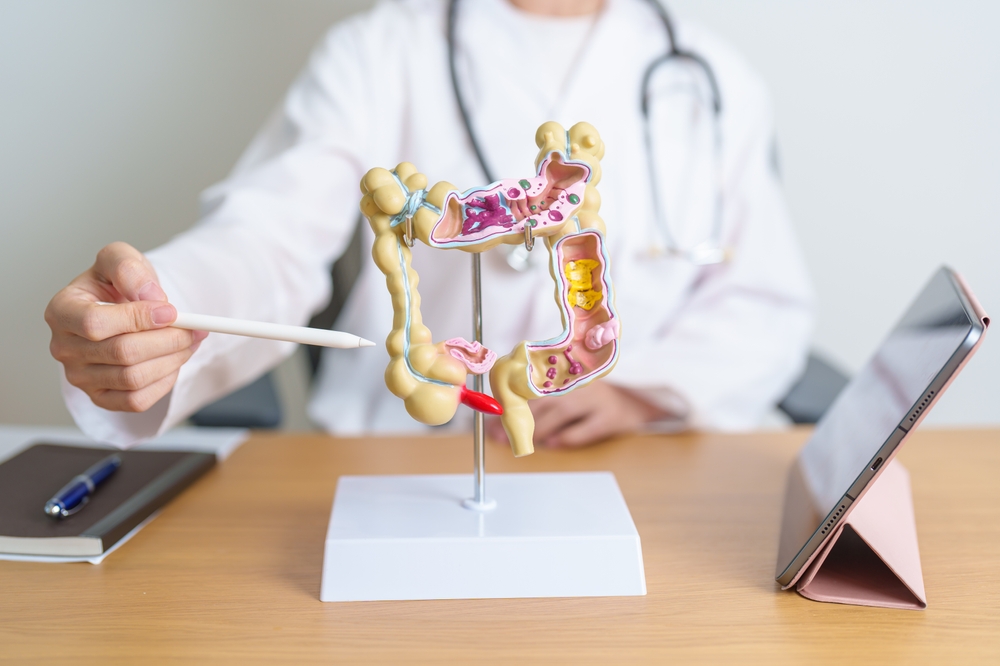
Untreated GERD can lead to more than ongoing discomfort. Chronic exposure of the esophagus to stomach contents may cause inflammation, irritation, and changes in the lining of the esophagus over time. Some people develop complications such as esophagitis, narrowing of the esophagus, chronic cough, hoarseness, or worsened sleep due to nighttime reflux. These issues can affect quality of life and may become harder to reverse if they are allowed to progress.
There is also concern about a higher risk of Barrett’s esophagus, a condition in which the tissue lining the esophagus changes due to repeated acid exposure. Barrett’s esophagus can increase the risk of esophageal cancer, which is one reason persistent reflux should be evaluated rather than simply tolerated. Not everyone with GERD develops complications, but ongoing symptoms deserve medical attention and individualized care.
Reflux does not always appear by itself. Many people with GERD also struggle with other digestive concerns such as bloating, constipation, diarrhea, abdominal discomfort, food sensitivities, or nausea. These symptoms may reflect overlapping issues in the gut, including inflammation, slowed motility, or imbalances that affect how the digestive system functions as a whole. When several symptoms are present together, treating only the burning sensation often leaves the bigger issue unresolved.
This is one reason our care is designed to be comprehensive. We do not just ask where it hurts. We look at how digestion, nutrition, stress, and daily habits interact so we can better understand what is driving your symptoms. That whole-body perspective helps us create care plans that are more useful and more sustainable for patients living with chronic reflux.

At Chi Rho, we are committed to helping patients in Henderson, Morganfield, Paducah, and nearby Western Kentucky communities find answers and relief. We know how disruptive GERD can be, especially when it keeps returning despite your best efforts. Our doctors provide personalized, supportive care designed to help you move beyond temporary symptom management and toward better digestive health.
As Dr. Terry Harmon says, “When we listen to the body’s signals and address the root causes, we create space for true healing, not just symptom suppression.” That is the foundation of our approach to reflux care. We believe patients deserve clear guidance, careful evaluation, and a plan built around their unique needs.