

If you or a loved one has been diagnosed with a thyroid condition, you may be wondering, “Can the thyroid be removed?” The answer is yes — thyroid removal, medically known as a thyroidectomy, is a common and well-established surgical procedure performed worldwide.
Thyroidectomy may be recommended for various reasons, including thyroid cancer, a large goiter causing discomfort or breathing difficulties, hyperthyroidism that is unresponsive to other treatments, or the presence of suspicious nodules that require further evaluation.
Depending on the condition, surgeons may remove all or part of the thyroid gland. This procedure is generally safe and effective, with advancements in surgical techniques helping to minimize risks and support a smooth recovery. Following thyroidectomy, patients often receive hormone replacement therapy to maintain normal body functions.
In this article, Chi Rho Chiropractic covers everything you need to know about thyroid removal, who needs it, what the surgery involves, what to expect during recovery, and how life changes after the procedure.
What Is the Thyroid Gland?
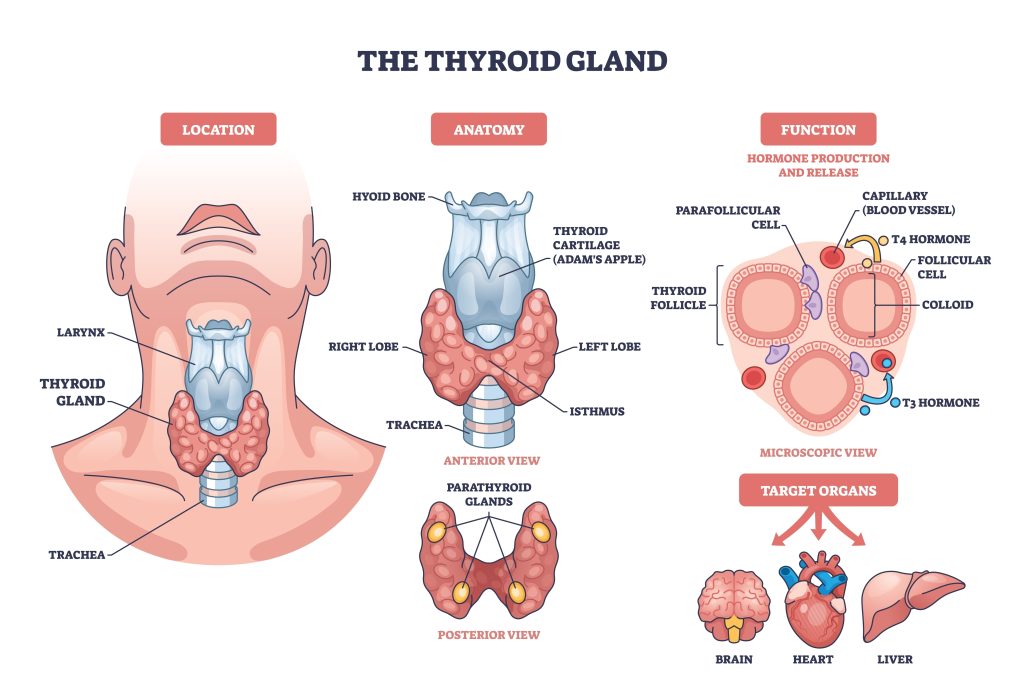
The thyroid is a butterfly-shaped gland located at the front of your neck, just below the Adam’s apple. It produces hormones — primarily thyroxine (T4) and triiodothyronine (T3) — that regulate your metabolism, heart rate, body temperature, and energy levels.
Despite its small size, the thyroid has a significant impact on virtually every organ system in your body. Because the thyroid is so essential, the decision to remove it is never taken lightly. However, in many cases, surgery is the safest and most definitive solution available.
Can You Remove Your Thyroid? Yes, Here Is When It Is Recommended
Thyroidectomy may be recommended for several reasons, including:
- Thyroid Cancer: The most common reason for thyroid removal is a confirmed or suspected diagnosis of thyroid cancer, including papillary, follicular, medullary, or anaplastic types.
- Hyperthyroidism: When the thyroid produces too much hormone — as in Graves’ disease — and other treatments such as medications or radioactive iodine have failed, surgery may be the best option.
- Goiter: An enlarged thyroid gland that causes difficulty swallowing, breathing problems, or persistent discomfort may need to be removed.
- Suspicious or Large Nodules: Thyroid nodules that grow rapidly, cause symptoms, or return indeterminate biopsy results may require surgical removal for diagnosis and treatment.
- Multinodular Thyroid Disease: Multiple nodules causing thyroid dysfunction or structural problems may warrant a total thyroidectomy.
The Role of Chiropractic Care in Thyroid Health
- How Chiropractic Adjustments Impact Hormonal Balance: Chiropractic care might sound like just back-cracking magic, but it goes beyond that. Proper spinal alignment can improve communication between the nervous system and endocrine system, which includes your thyroid. By removing any interference, chiropractic adjustments can help restore hormonal balance and maximize thyroid function — essentially giving your hormones the pep talk they didn’t know they needed.
- Understanding the Connection Between the Spine and Thyroid Function: Did you know your spine is like the main highway for signals traveling to and from your brain? Misalignments in the spine can disrupt this communication and affect thyroid function. By focusing on vertebrae that influence the thyroid, chiropractors aim to optimize this connection, potentially leading to enhanced hormone production and overall health. So, your spine’s alignment could be more important than you think!
- Benefits of Chiropractic Care for Thyroid Patients: Chiropractic care offers benefits that go beyond just alleviating aches and pains. For thyroid patients, it can lead to improved energy levels, better sleep, and reduced anxiety. Regular visits could even help you manage symptoms of thyroid dysfunction more effectively. Think of it as a holistic approach to keep both your spine and hormones humming along like a well-tuned engine.
Evaluating Thyroid Removal and Chiropractic Support for Thyroid Health
Indications for Thyroidectomy:
Thyroid removal is usually a last resort, considered for thyroid cancer, large goiters causing discomfort, or uncontrollable hyperthyroidism. Doctors carefully weigh risks and benefits before recommending surgery.
Risks and Benefits:
Benefits include symptom relief and cancer removal, while risks involve hormonal imbalances, potential weight changes, and lifelong hormone replacement therapy. Informed discussions with healthcare providers are essential.
Alternative Treatments:
Non-surgical options such as dietary changes, supplementation, chiropractic care, acupuncture, and holistic approaches may support thyroid health and potentially help avoid surgery.
Chiropractic Techniques:
Specific cervical spine adjustments, especially to the upper neck bones (atlas and axis), can improve nervous system function and blood flow to the thyroid, indirectly supporting thyroid health and relieving neck tension.
Complementary Therapies and Patient-Centered Thyroid Care
Nutrition and Lifestyle:
Combining chiropractic care with nutrition and lifestyle changes benefits thyroid health. Key nutrients such as iodine, selenium, and zinc, along with stress management, exercise, and quality sleep, support overall well-being. A healthy spine complements a healthy thyroid.
Patient-Centered Care:
Personalized care plans focus on individual needs and preferences, integrating spinal adjustments, education on thyroid function, holistic lifestyle choices, and self-care. This approach empowers patients on their journey to improved thyroid health.
Integrating Chiropractic Care with Conventional Treatments
- Collaborative Care: Combining chiropractic care with conventional medicine promotes a holistic approach, with chiropractors working alongside healthcare providers to optimize thyroid health and symptom management.
- Communication: Open dialogue among patients, chiropractors, and doctors is essential for coordinated care and addressing concerns effectively.
- Monitoring and Adjusting: Regular progress evaluations allow treatment plans to be adjusted as needed, ensuring the best outcomes for thyroid support through flexible and responsive care.
Conclusion: Making Informed Decisions About Thyroid Health
Navigating thyroid health involves carefully evaluating a range of treatment options, including chiropractic care, conventional medicine, or a combination of both. It’s important to choose an approach that aligns with your values and lifestyle.
Patient advocacy plays a crucial role — being informed, asking questions, and actively participating in your care leads to better outcomes. Looking ahead, integrating chiropractic care with conventional thyroid treatments shows promising potential. Ongoing research and collaborative care models may improve management and understanding of thyroid health. Staying informed, proactive, and engaged with your healthcare team is key to achieving the best quality of life.
If you have questions about whether you should remove your thyroid, we’re here to provide compassionate, personalized care tailored to your needs. Contact us now to book your appointment and start your journey to wellness.